Building a Drying Log Adjusters Trust
Documentation standards that get claims approved the first time.
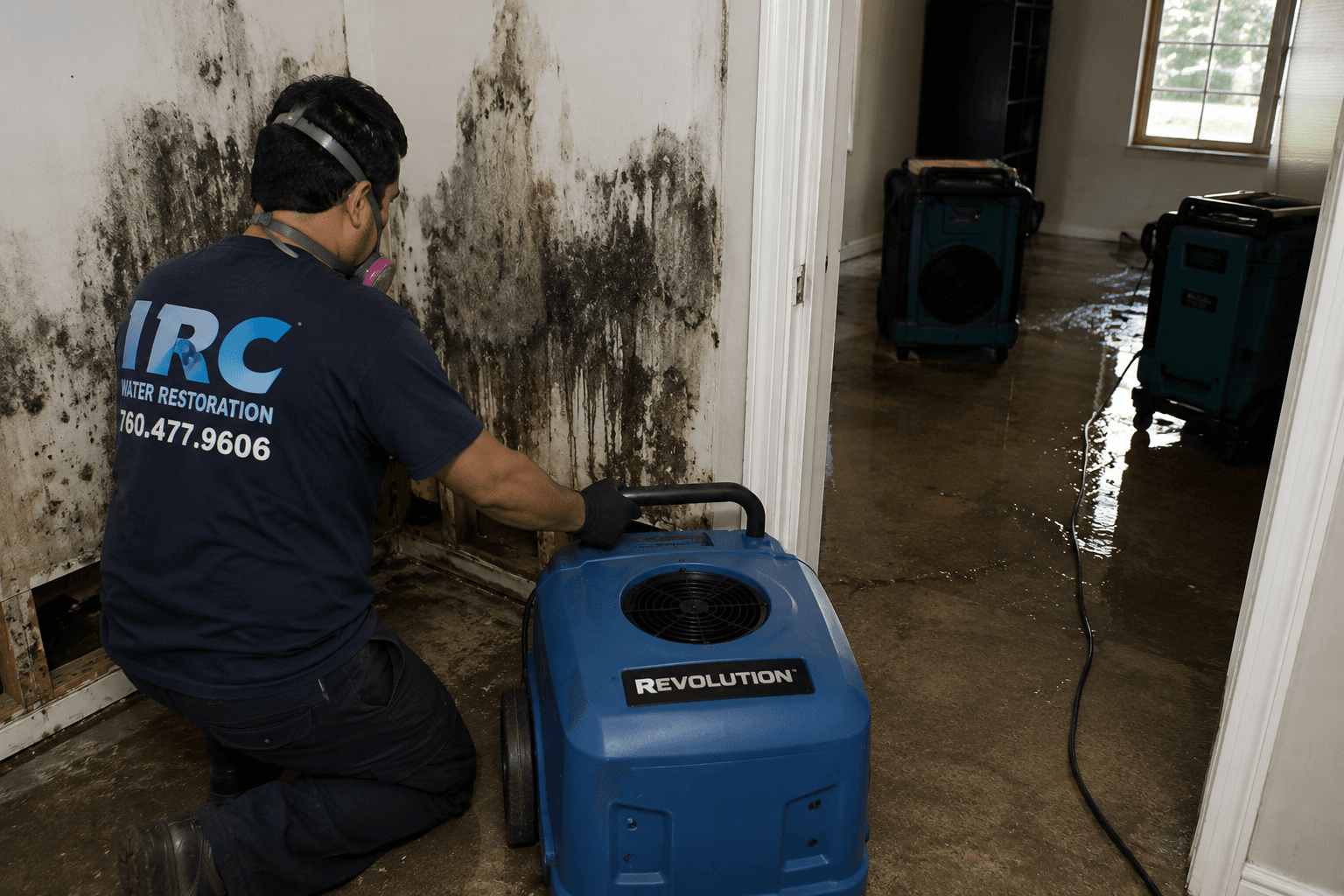
- Moisture readings logged
- Photos attached to the job
- Adjuster packet building
What you'll learn
What you'll learn
Track your takeaways
Check off what you want to take away from this guide.
- Log readings from the field
- Show drying progress over time
- Keep the log adjuster-ready
A drying log is only as good as the trust an adjuster places in it. Consistent, timestamped readings are what get claims approved the first time, without a back-and-forth.
Log readings from the field, not from memory
Crews capture moisture and psychrometric readings on site, tied to the room and the job. No end-of-day re-entry at the office, and no gaps an adjuster will question.
Show drying progress over time
A trustworthy log tells a story: where each area started, how it dried day by day, and when it hit goal. Daily readings on one record make that story obvious at a glance.
Keep it adjuster-ready
Photos, equipment placement, and readings on the same job record mean the documentation holds up to review. When the proof is organized, approvals move faster.
Field note
When readings are logged in the field, the office never has to reconstruct a drying timeline from memory.
The takeaway
Consistent, timestamped readings on one job record are what adjusters trust.
Why this matters
Why this matters for restoration teams
Insurance jobs are won by the team that responds clearly, documents cleanly, and keeps the handoff moving.
- 01
Faster first response
Capture the job and confirm next steps before competitors call back.
- 02
Cleaner documentation
Photos, notes, and readings stay attached to the right job from day one.
- 03
Fewer back-and-forth delays
Adjusters and crews work from the same record, so nothing stalls.
Keep reading
Keep building the workflow
More restoration playbooks that connect to the same job record.
- Insurance

- Operations
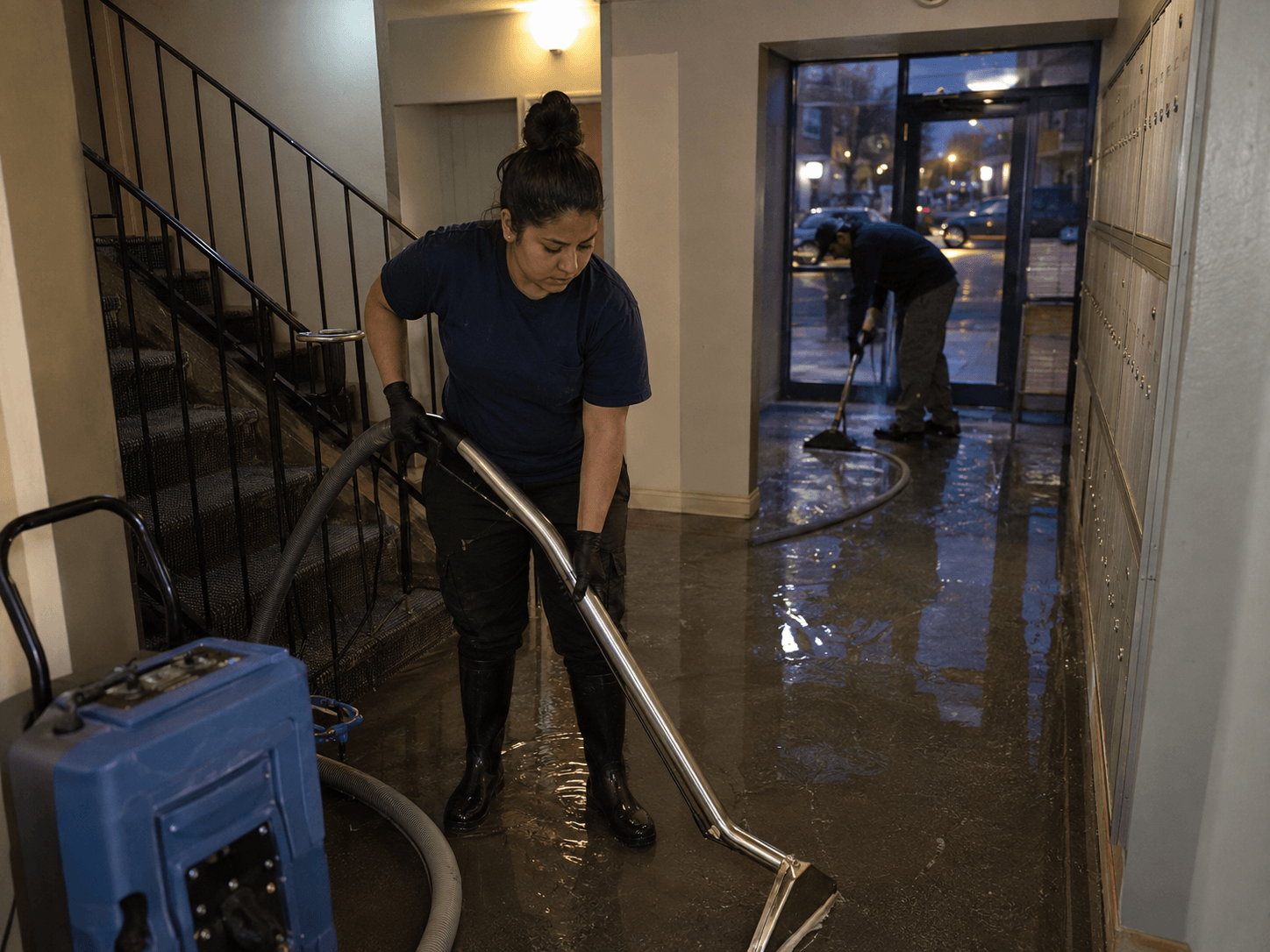
Dispatching Crews Without the Chaos
10 min read - Industry
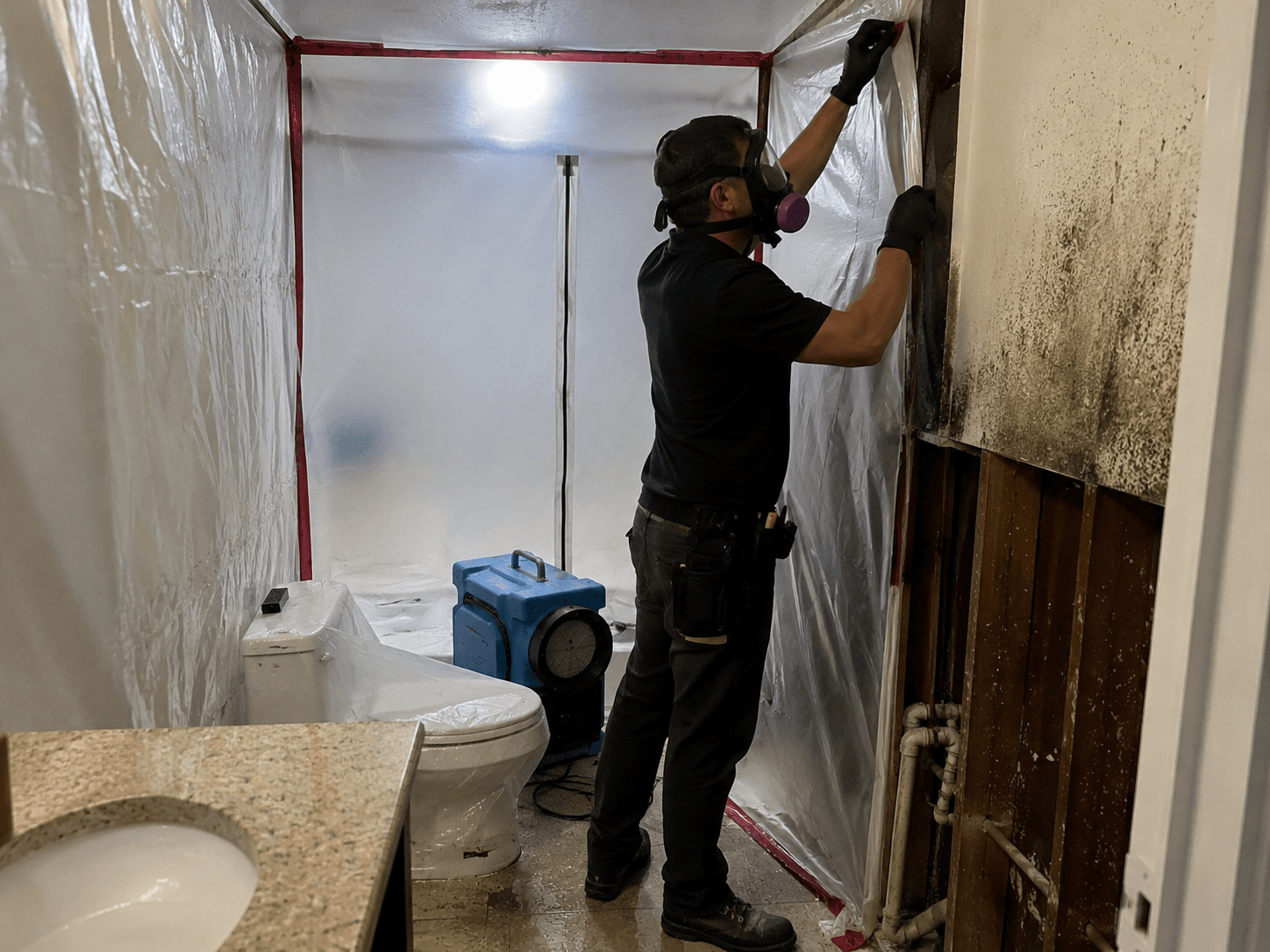
Storm Season Readiness Checklist
Checklist - Growth

How to Win More Insurance Jobs
12 min read - Operations
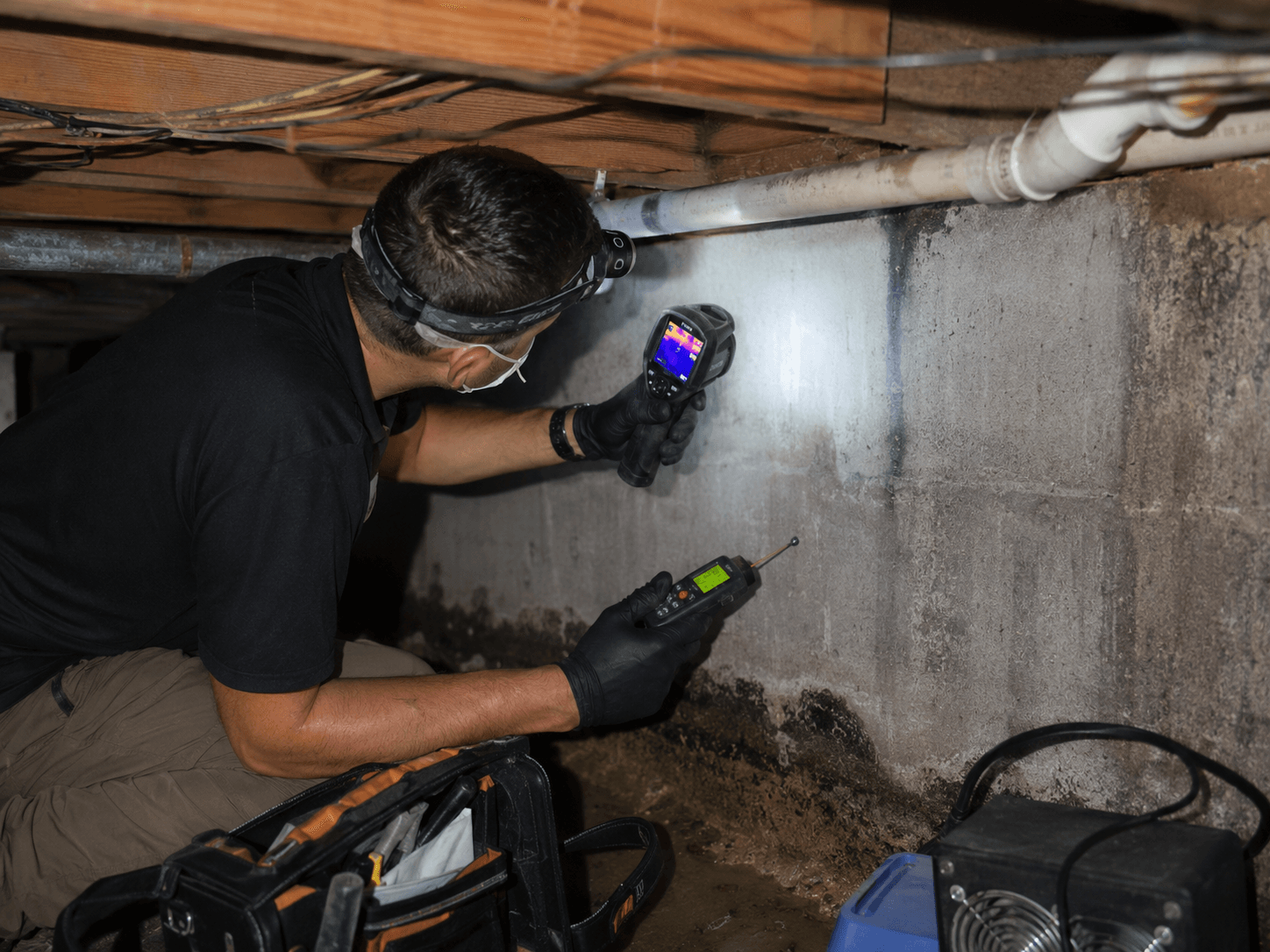
Documentation That Speeds Up Claims
7 min read - Product

Workflow Optimization with RestoPath
5 min read