Understanding First Notice of Loss (FNOL)
Turn FNOL into a fast, organized intake process.

- Loss details captured
- Crew routed by service type
- Documentation packet started
What you'll learn
What you'll learn
Track your takeaways
Check off what you want to take away from this guide.
- Capture the loss once
- Route the job to the right crew
- Start the documentation packet early
First notice of loss is the moment the job is won or lost. A fast, organized FNOL turns a chaotic emergency call into a job that runs clean from the start.
Capture everything once
Loss type, cause, affected areas, and contact details all go into one intake record. Capture it once, and the whole team works from the same information instead of chasing details later.
Route the loss to the right crew
Once the FNOL is captured, assign it by service type and crew availability, with an ETA back to the customer. The faster the response, the stronger the job starts.
Set the documentation up from minute one
When intake feeds straight into the job record, photos and notes attach to the right claim automatically. The packet starts building itself before the crew even arrives.
Field note
Every detail captured at first notice is one less question the crew has to chase down later.
The takeaway
A fast, organized FNOL sets up the entire job to run clean.
Why this matters
Why this matters for restoration teams
Insurance jobs are won by the team that responds clearly, documents cleanly, and keeps the handoff moving.
- 01
Faster first response
Capture the job and confirm next steps before competitors call back.
- 02
Cleaner documentation
Photos, notes, and readings stay attached to the right job from day one.
- 03
Fewer back-and-forth delays
Adjusters and crews work from the same record, so nothing stalls.
Keep reading
Keep building the workflow
More restoration playbooks that connect to the same job record.
- Operations
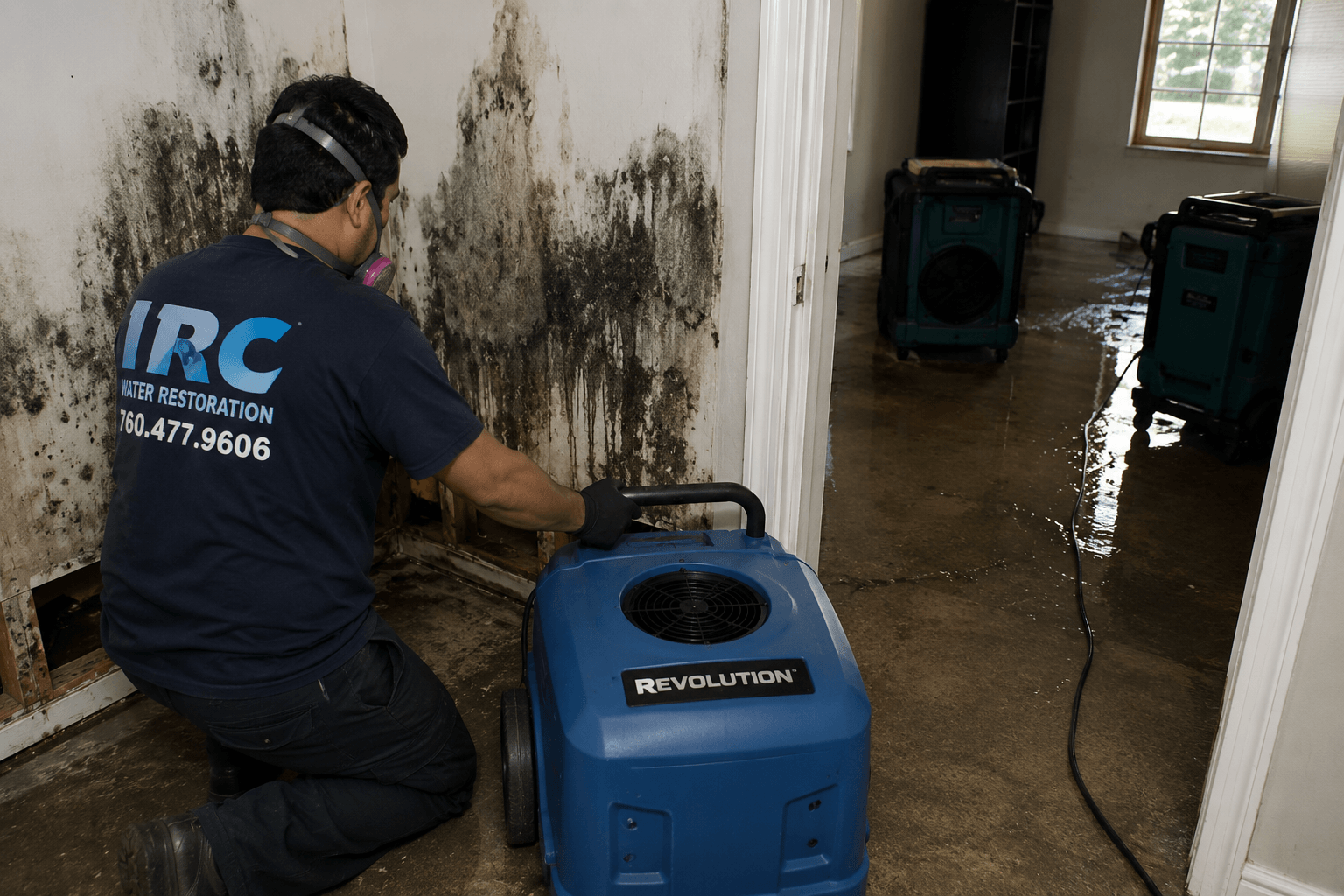
Building a Drying Log Adjusters Trust
8 min read - Operations
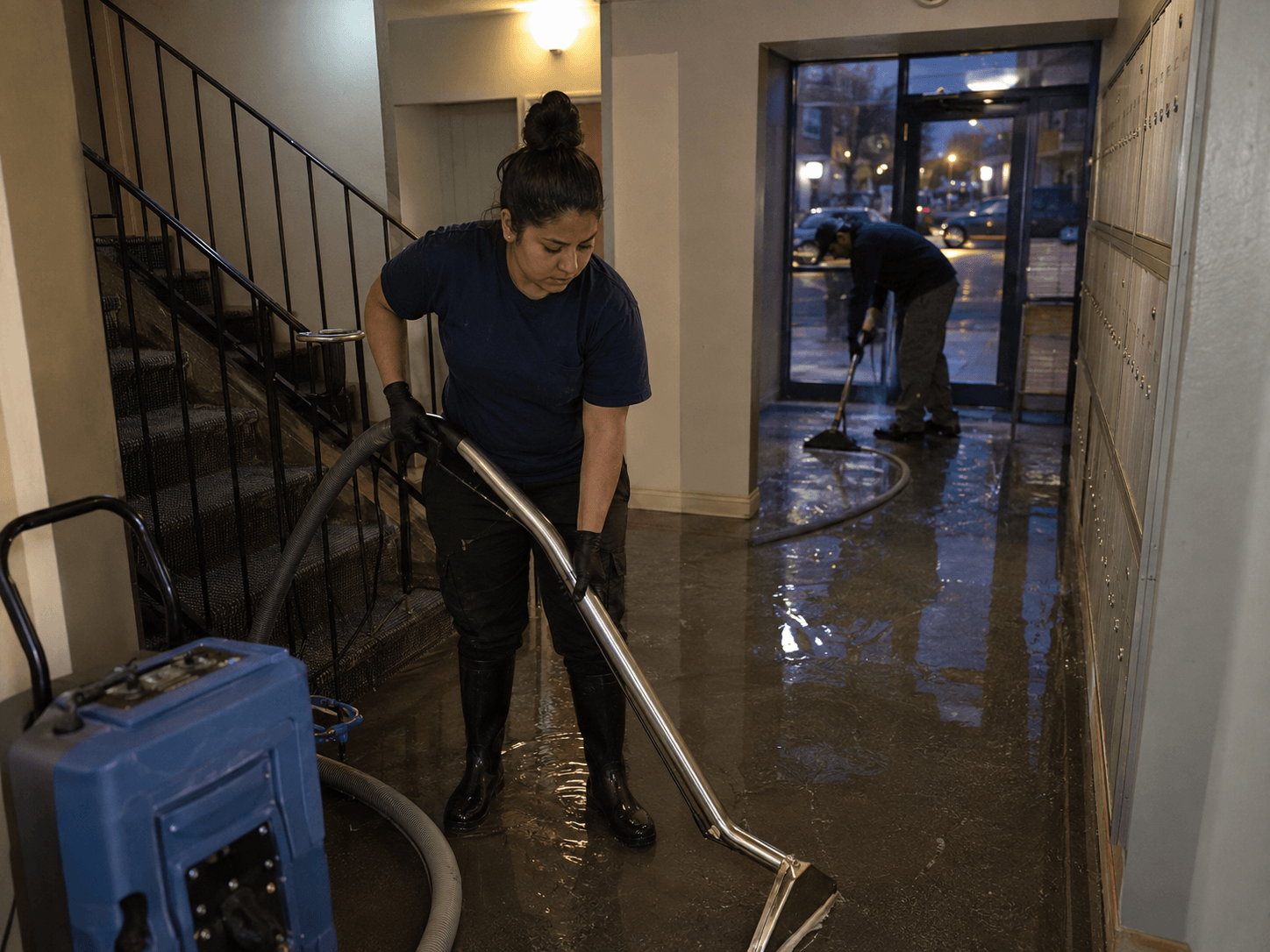
Dispatching Crews Without the Chaos
10 min read - Industry

Storm Season Readiness Checklist
Checklist - Growth

How to Win More Insurance Jobs
12 min read - Operations

Documentation That Speeds Up Claims
7 min read - Product

Workflow Optimization with RestoPath
5 min read