Storm Season Readiness Checklist
Stage containment, PPE, and remediation gear so crews can lock down a site the moment the surge hits.

- Storm leads captured
- Routed to on-call crews
- Response tracked in one place
What you'll learn
What you'll learn
Track your takeaways
Check off what you want to take away from this guide.
- Get intake ready for volume
- Plan crew capacity ahead
- Keep documentation moving
Storm season rewards the teams that prepared. When volume spikes, the difference between a great month and a missed one is intake and dispatch that hold up under load.
Get intake ready for volume
When losses arrive fast, every lead still needs to land on one record. Set up your intake so nothing slips during the surge, even when the phones do not stop.
Plan crew capacity ahead of time
Know who is on call, where they are, and how to route the next loss before the storm hits. Capacity planning is far easier in calm weather than in the middle of a surge.
Keep documentation moving
High volume is no excuse for thin documentation. Exterior photos, scope notes, and job status stay attached to each job so the claims do not pile up behind the work.
Field note
The teams that plan crew capacity in calm weather are the ones still standing during the surge.
The takeaway
Prepare intake, dispatch, and documentation before the surge, not during it.
Why this matters
Why this matters for restoration teams
Insurance jobs are won by the team that responds clearly, documents cleanly, and keeps the handoff moving.
- 01
Faster first response
Capture the job and confirm next steps before competitors call back.
- 02
Cleaner documentation
Photos, notes, and readings stay attached to the right job from day one.
- 03
Fewer back-and-forth delays
Adjusters and crews work from the same record, so nothing stalls.
Keep reading
Keep building the workflow
More restoration playbooks that connect to the same job record.
- Operations
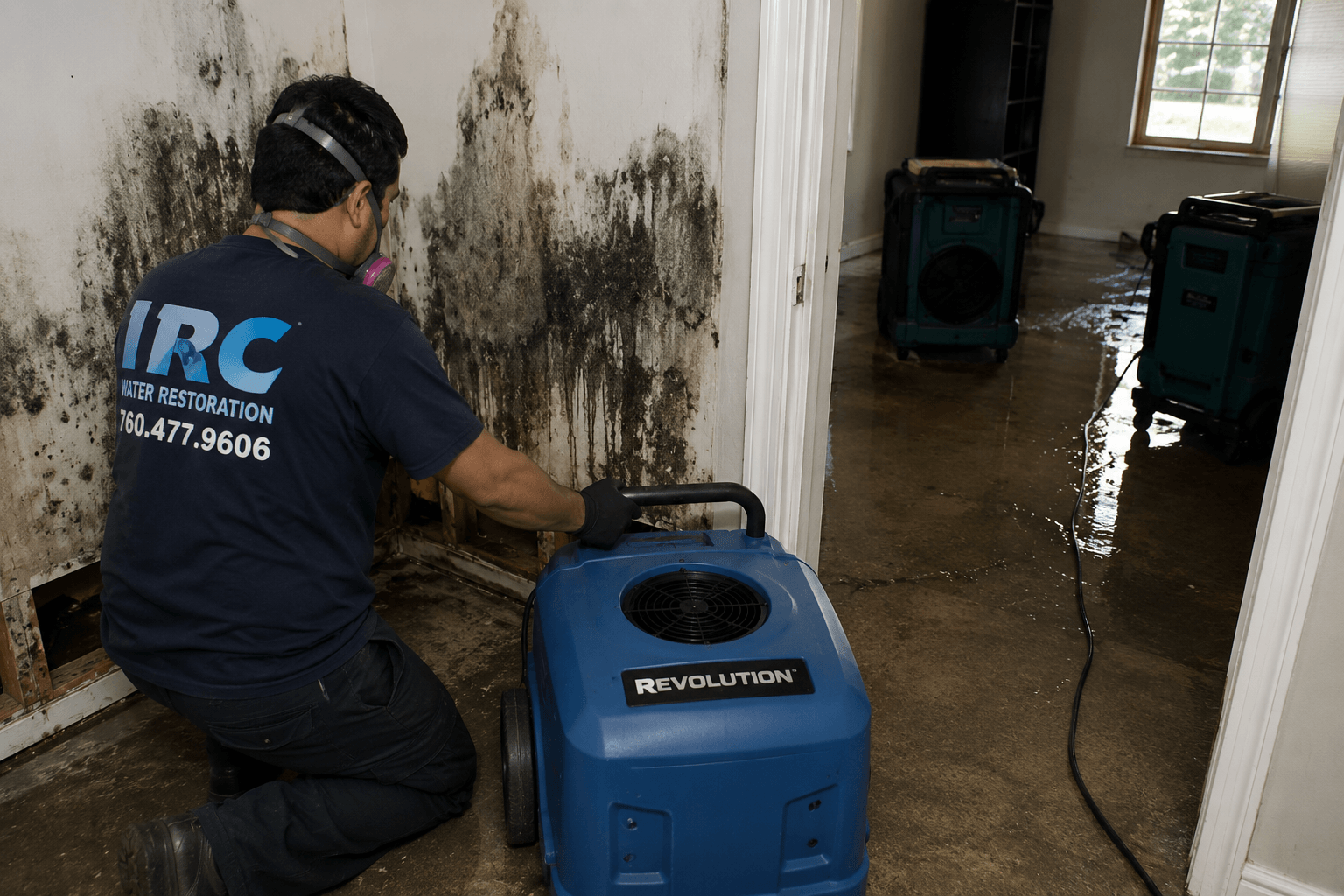
Building a Drying Log Adjusters Trust
8 min read - Insurance

- Operations
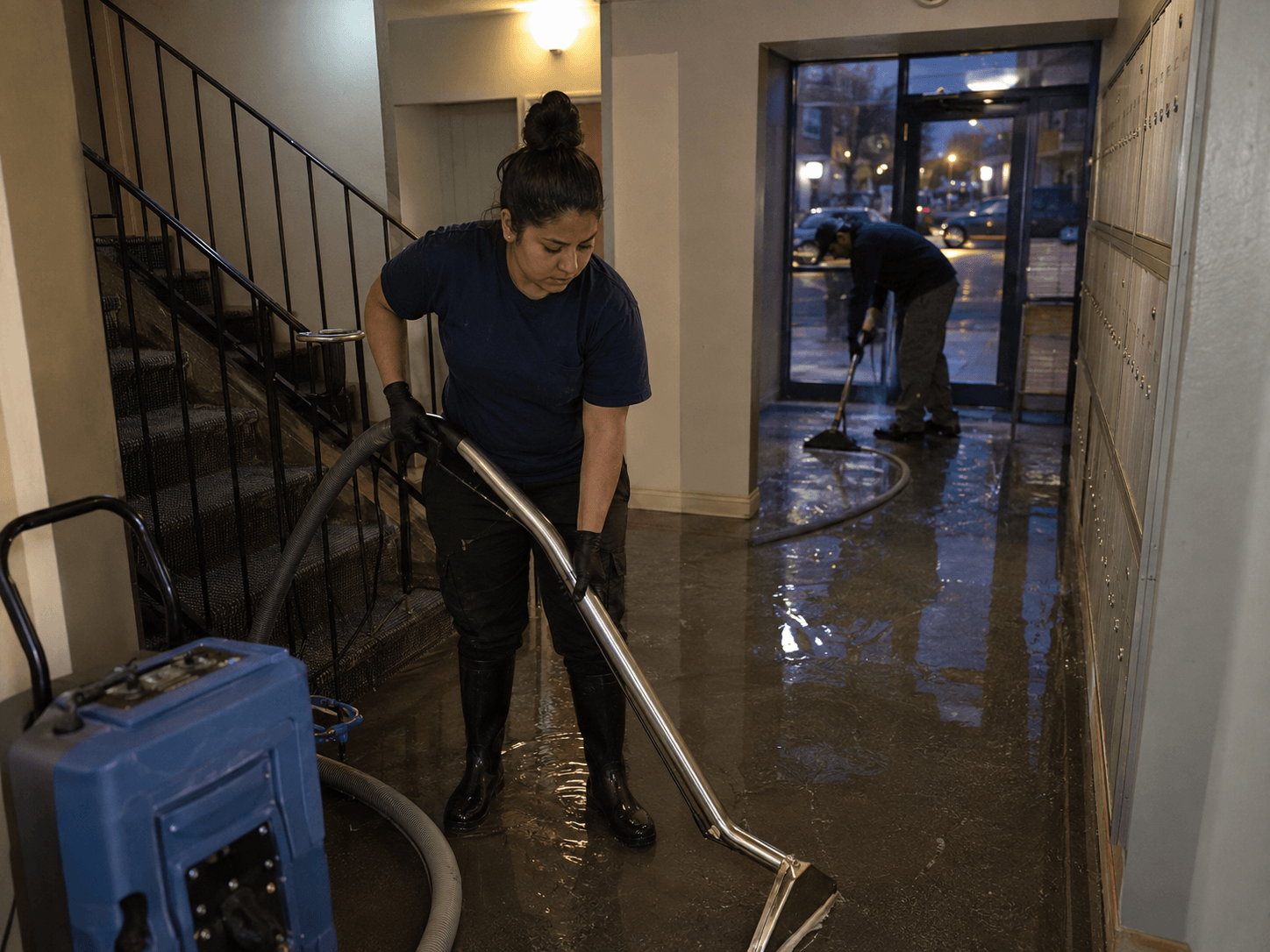
Dispatching Crews Without the Chaos
10 min read - Growth

How to Win More Insurance Jobs
12 min read - Operations

Documentation That Speeds Up Claims
7 min read - Product

Workflow Optimization with RestoPath
5 min read